How to Identity Genuine McIntosh Furniture
Spotting authentic McIntosh furniture is most reliably achieved through its distinctive label. While the label’s appearance has evolved over time, there are four key variations to be on the lookout for, detailed below.
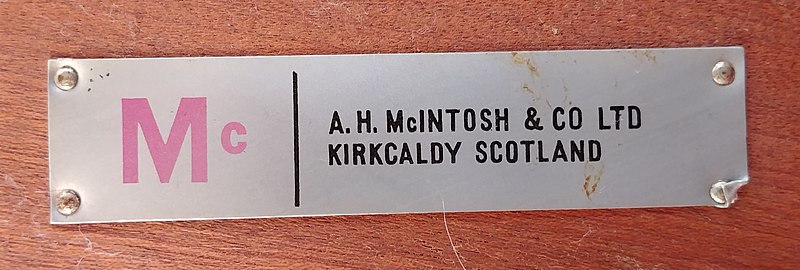
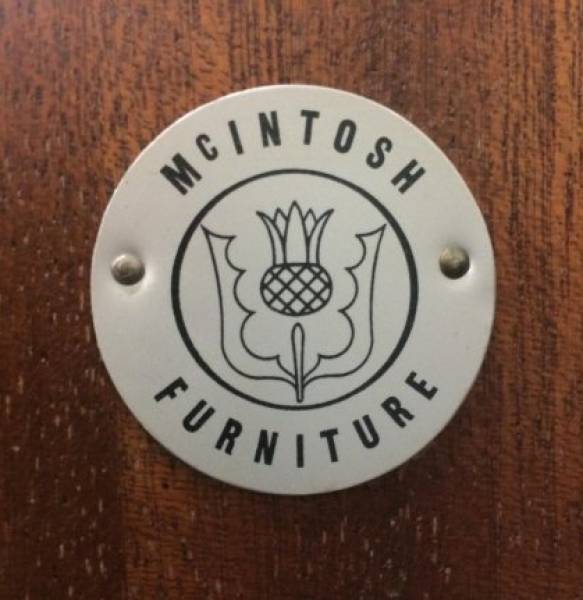
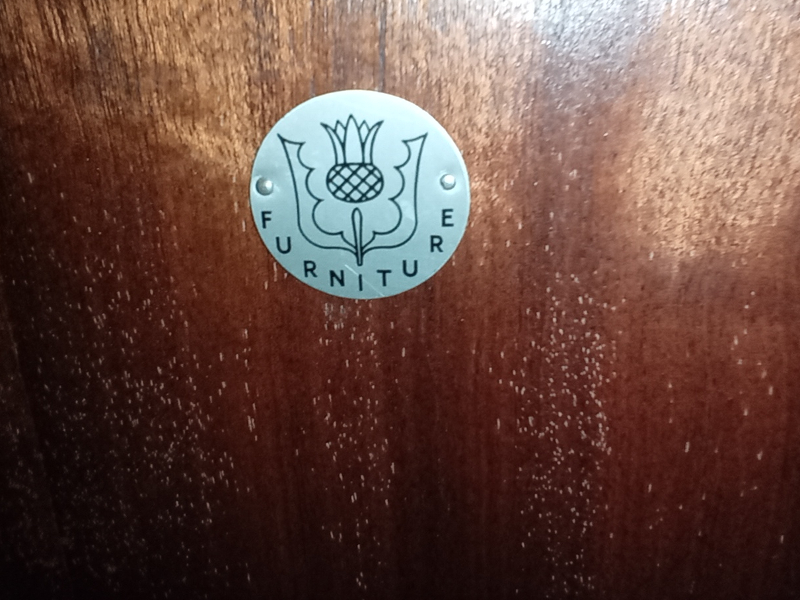
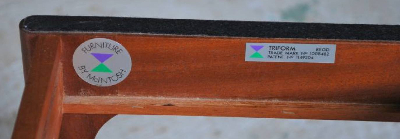
Once you’ve pinpointed the label, further validate your find by identifying the type of wood used in the furniture. McIntosh pieces from the mid-century era were predominantly crafted from durable hardwoods like teak, mahogany, and rosewood. Additionally, you might encounter zebrano wood, characterised by its dark, zebra-like streaks, as exemplified in the elegant Lomond McIntosh sideboard.
However, it’s important to note that not all furniture from this period was fashioned solely from solid wood. Some pieces were constructed by affixing a thin layer of teak or other hardwood veneer onto more economical woods like plywood. This technique created the illusion of a solid wood piece. While this method was cost-effective, it yielded numerous outstanding veneer pieces that retain their value today.
During the 1950s to 1970s, a significant number of furniture designs were influenced by Scandinavian aesthetics, marked by their clean lines, minimalist approach, and light colour palettes. McIntosh embraced this trend, becoming one of the most coveted styles of furniture that seamlessly complements modern homes.